
October 27, 2023
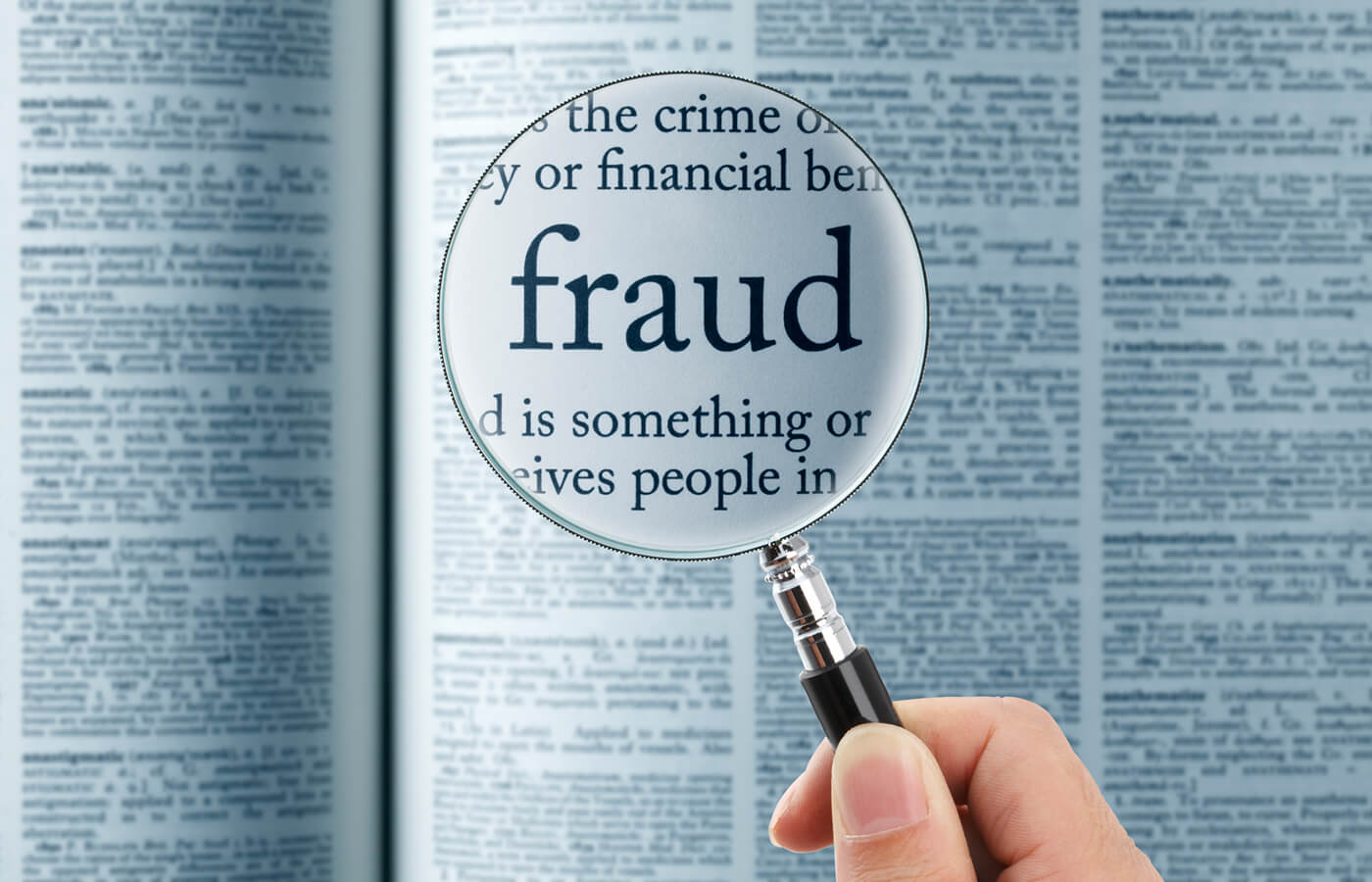
Fraud is the wrongful or criminal deception intended to result in financial or personal gain. This week is Fraud Awareness Week, and as a result we want to present a few forms of fraud and how you can avoid becoming a victim.
Types of Fraud
Identity Theft
Identity theft, identity piracy or identity infringement occurs when someone uses another's personal identifying information, like their name, identifying number, or credit card number, without their permission, to commit fraud or other crimes.
To avoid this, store documents that have your personal information, including financial documents, Social Security, Medicare and credit cards in a safe place at home and at work. Limit what you carry. Leave your social security card and Medicare card at home – unless you are going to need them for a specific reason.
Credit Card Fraud
Credit card fraud can occur when a criminal obtains a victim's personal information through data breaches, phishing scams, and sometimes even by taking their discarded pre-approved mailer offers. Once they cheat verification and get the credit card approved, they're free to make fraudulent transactions.
To help prevent this, don’t shop on unsecure websites. Make sure you verify that a website is authentic before making a purchase and beware of phishing scams that aim to ask for your personal and credit card information. Never send your credit card information via email or give it over the phone unsolicited.
Phishing
This is a technique for attempting to acquire sensitive data, such as bank account numbers, through a fraudulent solicitation in email or on a web site, in which the perpetrator masquerades as a legitimate business or reputable person.
Never provide your personal information in response to an unsolicited request, whether it is over the phone or over the Internet. Emails and internet pages created by phishers may look exactly like the real thing. They may even have a fake padlock icon that ordinarily is used to denote a secure site.
Online Shopping Scams
Online shopping scams involve scammers pretending to be legitimate online sellers, either with a fake website or a fake ad on a genuine retailer site. While many online sellers are legitimate, unfortunately scammers can use the anonymous nature of the internet to rip off unsuspecting shoppers.
Scammers use the latest technology to set up fake retailer websites that look like genuine online retail stores. They may use sophisticated designs and layouts, possibly stolen logos, and even a domain name similar to an authentic retailer. If a product is advertised at an unbelievably low price or advertised to have amazing benefits or features that sound too good to be true, or the other party insists on payment by electronic funds transfer or a wire service. this may be a red flag.
Charity Fraud
Charity fraud refers to when someone contacts you asking for a donation to their fraudulent charity.
Charity scammers want to get your money quickly. They often pressure you to donate right away. They ask for cash, gift cards, cryptocurrency, or wire transfers. Scammers often refuse to send you information about the charity. They won’t answer questions or explain how the money will be used. They might even lie and say you already made a pledge to donate.
Lottery Scams
If you get a call, email, or letter saying you won a sweepstakes, lottery, or prize — like an iPad, a new car, or something else, you may be experiencing a lottery scam.
You can tell it’s a scam because of what they do next: they ask you to pay money or give them your account information to get the prize. If you pay, you’ll lose your money and find out there is no prize.
If you believe you have fallen victim to a scam, report it to your bank immediately and call the local police. You can report it to us by calling our Contact Center at 254-753-1521.